Malaysia’s retail pharmacy boom draws billion-ringgit bets as IPO pipeline builds
The catalyst – news that BIG Caring Group is weighing a blockbuster listing in Bursa Malaysia next year

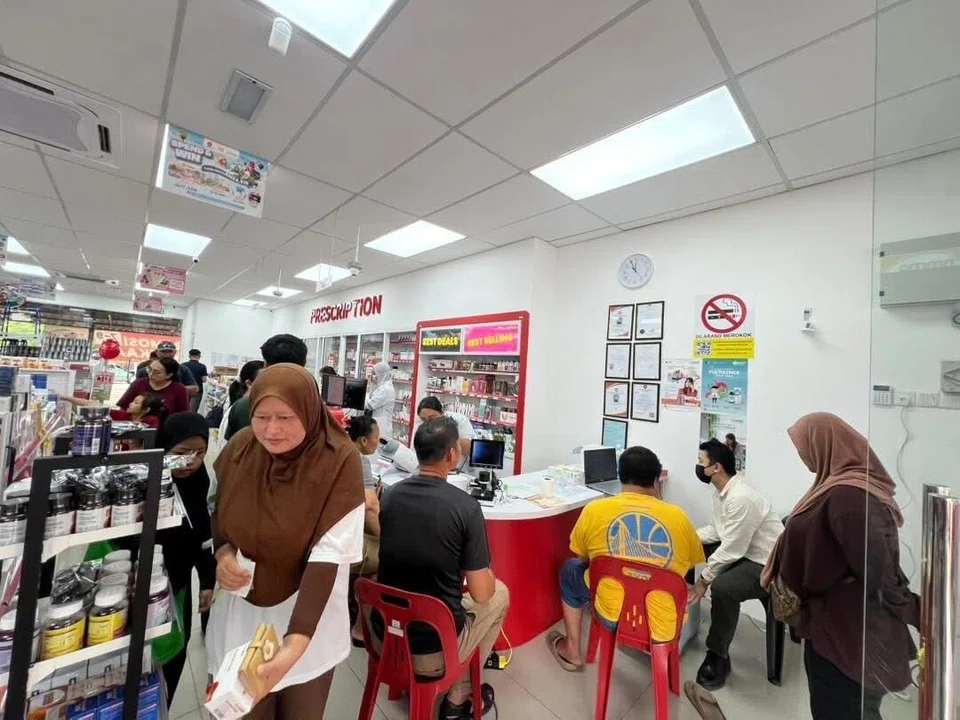
[KUALA LUMPUR] Malaysia’s retail pharmacy sector is becoming a key dealmaking arena, as private equity firms, regional players and local healthcare chains scale up ahead of a potential wave of major healthcare-retail initial public offerings (IPOs).
The catalyst – news that BIG Caring Group is weighing a blockbuster listing in Bursa Malaysia next year. The merged chain, formed through BIG Pharmacy’s acquisition of 7-Eleven’s Caring Pharmacy in July 2023, could seek a valuation of up to RM20 billion (S$6.3 billion) and raise as much as RM6 billion, Bloomberg reported.
Such a deal, if realised, would dwarf the RM5.2 billion raised in IPOs on Bursa Malaysia so far this year and instantly rank among the country’s biggest listings in a decade.
For investors, the proposed listing underlines how Malaysia’s pharmacy chains have matured into cash-generative, private equity-backed consumer-health platforms with diversified revenue and clear consolidation plans that suit public-market demand for stable, consumption-driven earnings.
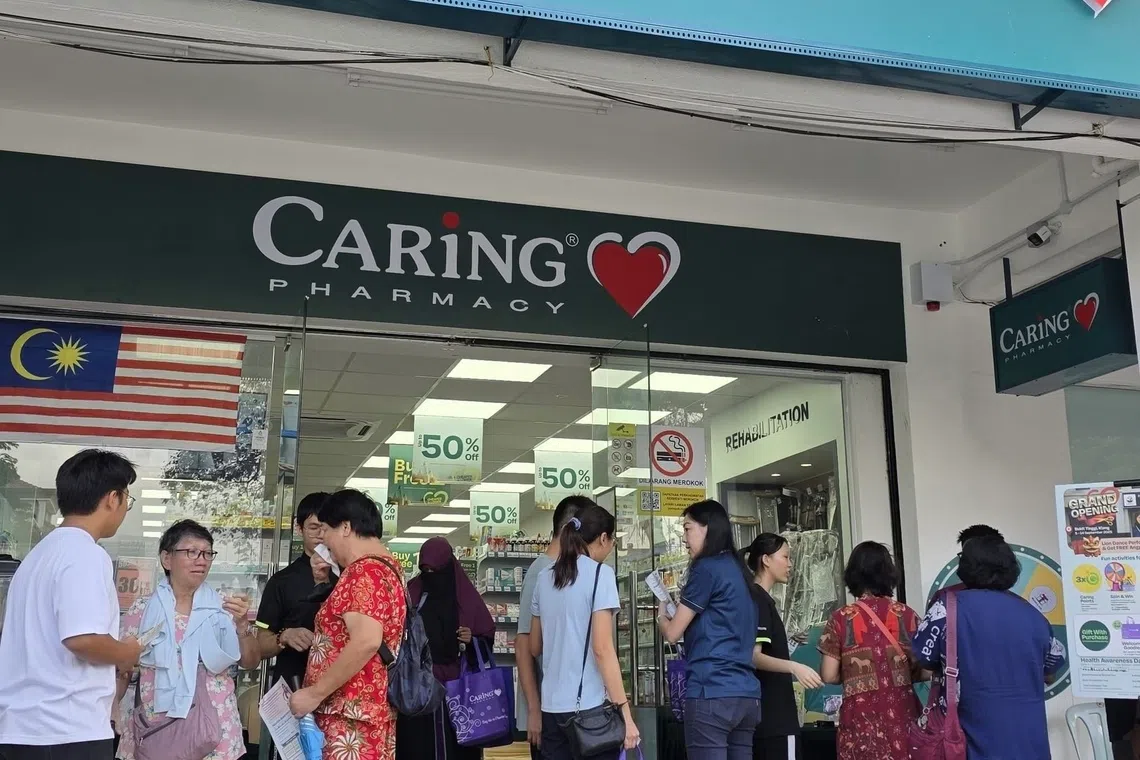
The sector’s transformation began post-Covid with a wave of mergers and acquisitions (M&A).
BIG Pharmacy’s RM850 million purchase of Caring Pharmacy in 2023, backed by private equity firm Creador, changed the competitive landscape overnight and created the country’s largest pharmacy operator.
Another significant example is Sunway Group’s acquisition of a major stake in Multicare Pharmacy in 2021, with this merged entity poised to become one of the pharmaceutical retail leaders by 2026.
Yulia Nikulicheva, head of research and consultancy at JLL Malaysia, said market consolidation has been a major catalyst for expansion in the retail pharmacy segment.
Pandemic-driven shifts in consumer behaviour – heightened health awareness, increased supplement consumption and a willingness to spend more on pharmaceuticals – fuelled exceptional sales, giving chains liquidity to expand even faster, she added.
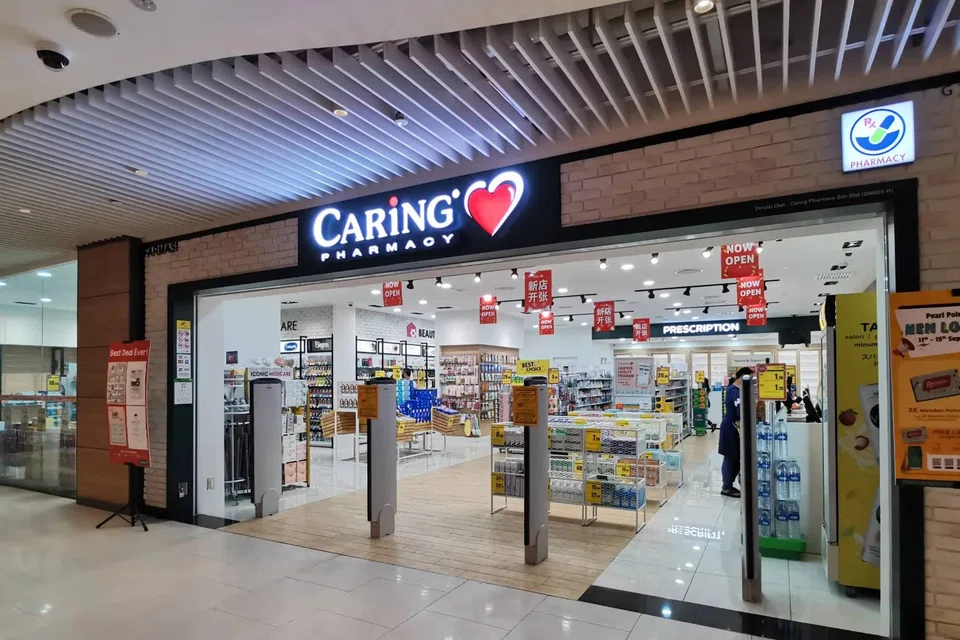

She noted that regulatory flexibility further accelerated the trend. “During the pandemic, pharmacists were allowed to sell most medicines without a doctor’s prescription, except for Group A and B drugs. The measure reduced contact, but also shifted health-seeking patterns permanently, embedding pharmacies deeper into everyday care,” she added.
These dynamics produced an environment ripe for M&A, a trend now intensifying as operators seek scale, stronger bargaining power with landlords and better procurement economics.
Sarawak’s PMG Healthcare expands to Peninsula Malaysia
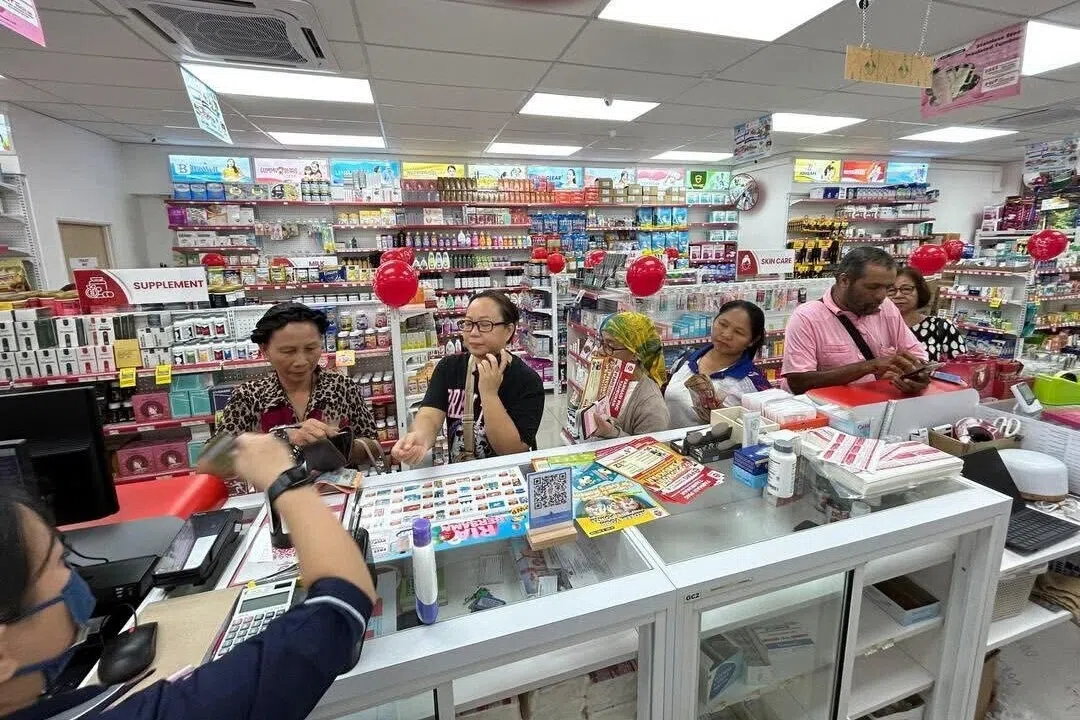
One of the most aggressive consolidators now entering peninsula Malaysia is Sarawak-based PMG Healthcare.
Long the dominant primary-care operator in East Malaysia, PMG has begun stitching together a peninsula footprint through strategic acquisitions. For example, it acquired Johor-based AM PM Pharmacy in September 2024, Kelantan-based Farmasi Nazen early this year and Penang-based Siang Pharmacy in April, bringing its total number of outlets to 250.
PMG’s ambitions and valuation caught the attention of Singapore-based private-equity firm Ikhlas Capital, chaired by former CIMB Group chairman Nazir Razak, which had invested RM74 million in February for a “significant minority stake”.
In an interview with The Business Times, PMG Healthcare founder and managing director Chieng King Chong expressed the company’s ambition to list in Bursa Malaysia in three years.
“We are focusing on growing our size now; hopefully we can go listing in another two to three years. We are aiming for at least 500 outlets before listing,” he said.
PMG has acquired about 80 retail pharmacies for roughly RM60 million and now operates around 250 pharmacies, 36 clinics and eight dental clinics (in Sarawak), alongside 69 pharmacies in Peninsular Malaysia.
When it sealed its deal with Ikhlas Capital in February, the group operated just 152 pharmacies, 28 clinics and eight dental clinics, and it is now targeting 30 to 50 new outlets a year, Dr Chieng said.
Johor has become a strategic beachhead. “PMG is strong in East Malaysia, but in the peninsula, we need to build brand awareness. We will rebrand more than 40 outlets in Johor,” he added.
Organic growth is no longer efficient in crowded markets. “It does not make sense to just open more outlets in an already oversupplied market. We see mergers and acquisitions as the more viable option, as it gives us economies of scale (in procurement) and customer stickiness,” he added.
Dr Chieng believes the retail pharmacy market entered saturation after the pandemic. During Covid-19, pharmacies flourished from demand for masks, gloves, sanitisers, supplements and healthcare products.
“Now many that prospered during Movement Control Order (MCO) are suffering losses from the loss of customers,” he said, contributing to oversupply and price competition.
The MCO, similar to Singapore’s Circuit Breaker, was a series of national quarantine and cordon sanitaire measures, enforced by the Malaysian government from March 2020.
The move was meant to restrict movement, gatherings and non-essential business operations to curb the spread of the Covid-19 pandemic.
Dr Chieng warned that prolonged price wars damage valuations, discourage investment and weaken local players even as foreign competitors loom. “Sooner or later, foreign pharmacies will come in, such as those from China. Malaysian home-grown brands should prepare for that challenge,” he said.
R Pharmacy: A new challenger from across the Causeway
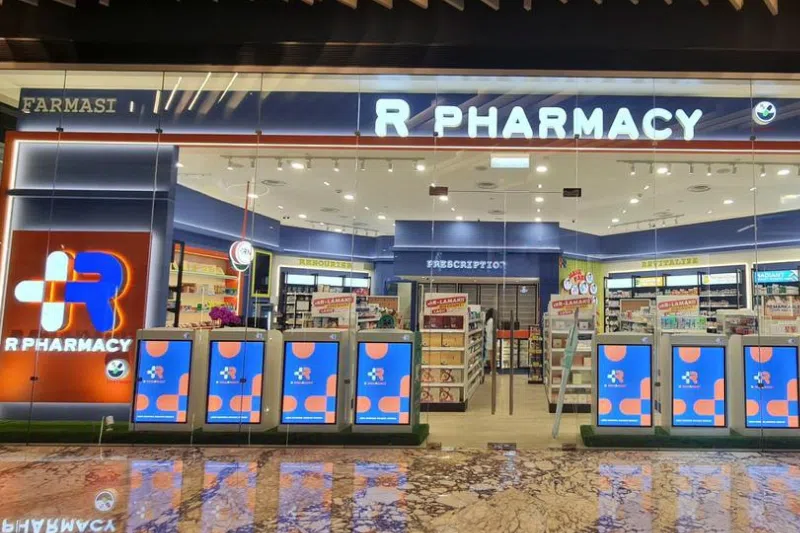
Parallel to PMG’s chain-building strategy, a new investor-backed challenger – R Pharmacy – is carving out a different path.
Formed in 2022 as a joint venture in which Singapore Exchange-listed Enviro-Hub Holdings holds an indirect 40 per cent stake, the chain has expanded to about 25 outlets, with 10 in shopping malls.
Its CEO Adrian Toh, who is also the executive director and chief investment officer, said R Pharmacy is now strategising its footprint as office crowds return.
“We are moving closer to working populations and lifestyle destinations such as TRX. That gives us steady weekday traffic and weekend tourist flows,” he said. TRX is the Tun Razak Exchange, Kuala Lumpur’s financial centre and mixed-development hub.
The chain also recently opened at The Campus in Kuala Lumpur (a school-turned-shopping mall) in May, and plans further mall rollouts, including KLGCC Mall.
But the chain’s strategy diverges sharply from that of mainstream operators.
Toh noted that rather than competing on price, R Pharmacy positions itself as a mid-to-upper tier concept, with 40 to 50 per cent of its space devoted to supplements, 30 per cent to prescription medicines and 20 per cent to rehabilitation equipment. Its stores average around 2,000 sq ft in size.
Around 30 per cent of its revenue, which was undisclosed, already comes from fast-beauty products -– influencer-led skincare and high-rotation beauty items – with a target of 40 per cent to 50 per cent.
R Pharmacy differentiates itself through curated product breadth rather than low prices. Toh draws inspiration from South Korea’s Olive Young, a fast-beauty juggernaut valued for its premium assortment and trend-driven consumer engagement.
He noted that the chain carries multiple stock-keeping units (SKUs) for premium supplement and skincare brands, where its competitors carry only one or two.
“When others offer one SKU, we carry 12 to 13 SKUs. We give customers choices,” he said. It is also the first in Malaysia to introduce NMN supplements and has exclusive partnerships with influencer-led skincare and haircare brands.
The strategy targets younger, working consumers with “grab-and-go” habits. R Pharmacy even sponsored K-pop concerts by artistes such as Jacky Cheung and Super Junior to build brand stickiness among youth segments.
Toh believes the market is increasingly polarised between very large chains that rely on volume and homogenised products, and smaller players that must specialise sharply to survive.
“Big players need top line and bottom line, so they sell very homogeneous goods and take up very large spaces. Smaller players must find their forte,” he said.
He also avoids direct price wars with the giants. “They may come to your area and cut prices. That becomes a lose-lose situation. We prefer to offer products people cannot find elsewhere,” he said.
R Pharmacy is also cautious in its geographic growth. While scoping out Johor, Toh said expansion would be phased carefully with an eye on logistics and distribution considerations, especially with the upcoming Johor-Singapore RTS expected to change consumer flows.
A market still in motion
Despite different approaches, PMG and R Pharmacy agree that Malaysia’s retail pharmacy market is still consolidating. New players will emerge, but survival hinges on scale, positioning and funding.
Dr Chieng sees fear of elimination as a key growth driver. Toh, on his part, emphasises clear positioning to avoid commoditisation. Macro trends such as the ageing population, rising incomes and population growth will boost pharmaceutical spending, especially in Klang Valley, Penang and Johor.
Geena Poon, director of research and consultancy at JLL Malaysia, noted that e-commerce, where health products rank among top online purchases, adds competitive pressure.
Growth in suburban retail and new townships will support pharmacy openings, but competition will intensify and margins will stay tight, she added.
From a property-market perspective, Poon said mergers often trigger portfolio rationalisation. “After a merger, a company would strategise on its portfolio and overlapping locations may be closed, creating retail vacancy in certain areas,” she added.
Yet, larger groups also gain strong negotiating leverage with landlords. Bulk rental negotiations across multiple locations can influence benchmarks, but Poon believes the overall effect remains positive.
“Overall, we believe that there is a positive effect on the market, as the new company is able to expand faster in various formats, which is good for landlords, as pharmacies are a category of shops that generate good foot traffic on their own,” she said.
=====
Based on the provided article, here is an analysis, discussion, commentary, and a summary.
Summary
The article details a significant investment boom and consolidation wave in Malaysia's retail pharmacy sector, driven by macro trends and culminating in a pipeline of major IPOs. The catalyst is news that the merged giant BIG Caring Group (BIG Pharmacy + Caring Pharmacy) is considering a massive IPO in 2026, potentially valuing the company at up to RM20 billion. This has spotlighted a sector transformed post-COVID by mergers and acquisitions (M&A), private equity investment, and changing consumer behavior. The article highlights two contrasting growth strategies: PMG Healthcare's aggressive acquisition-led expansion to achieve national scale before a planned IPO, and R Pharmacy's niche, premium "fast-beauty and wellness" concept targeting urban professionals. The overall market is consolidating, with scale and clear positioning seen as keys to survival amid rising competition, potential price wars, and the future entry of foreign players.
Analysis & Discussion
1. Catalysts for the Boom:
Macro Trends: Ageing population, rising incomes, and increased health awareness post-pandemic are structurally boosting pharmaceutical spending.
COVID-19 Legacy: The pandemic permanently altered consumer behavior, making pharmacies a primary touchpoint for healthcare. Regulatory easing allowed pharmacists to sell more medicines without prescriptions, embedding pharmacies deeper into daily care.
Private Equity (PE) Fuel: PE firms like Creador (backing BIG Caring) and Ikhlas Capital (investing in PMG) are providing capital and expertise, professionalizing operations and preparing companies for public listings.
Quest for Scale: Operators are pursuing M&A to gain economies of scale (better procurement power), bargaining leverage with landlords, and nationwide footprint—attributes that appeal to public market investors seeking stable, consumption-driven earnings.
2. Divergent Strategies for Growth:
The article presents a clear dichotomy in growth models:
The Consolidator (PMG Healthcare): Follows the BIG Caring playbook. Its strategy is scale-driven and volume-oriented. By acquiring smaller chains (especially in Peninsular Malaysia), it aims to build a massive network (>500 outlets) to dominate through purchasing power and ubiquity. It views the market as saturated and sees M&A as the only efficient path to growth.
The Differentiator (R Pharmacy): Avoids direct price competition with giants. Its strategy is niche-driven and premium-oriented. It focuses on curated product breadth (especially in supplements and fast-beauty), influencer partnerships, and prime locations (malls, business districts) to attract a younger, affluent demographic. It competes on uniqueness and experience, not price.
3. Key Challenges & Risks Identified:
Market Saturation & Price Wars: The post-COVID boom led to an oversupply of pharmacies. Dr. Chieng warns that prolonged price competition erodes valuations and weakens local players, making them vulnerable.
Future Foreign Competition: The expectation of entry by deep-pocketed foreign chains (e.g., from China) is a looming threat, pressuring local brands to consolidate and strengthen quickly.
Margin Pressure: Despite growth, industry margins are expected to remain tight due to competition and the need for continuous investment.
Real Estate Dynamics: While large chains gain negotiating power over rents, M&A can lead to store rationalization and vacancies in overlapping areas, impacting the retail property landscape.
Commentary
The Malaysian retail pharmacy sector is undergoing a classic maturity-phase transformation. The move from a fragmented market of independent players to a consolidated one dominated by a few large, professionally managed chains is accelerating. The potential BIG Caring IPO is not just a single event but a watershed moment that validates the entire sector's investment thesis for PE and public markets.
The contrasting strategies of PMG and R Pharmacy illustrate that there is no single path to success. However, the underlying message is clear: middle-ground, undifferentiated players are most at risk. The future appears to belong to either scaled behemoths that compete on cost and convenience, or agile specialists that compete on curated product offerings and customer experience.
The sector's evolution mirrors trends seen in other retail segments globally. The emphasis on diversification—into digital health, distribution, manufacturing (BIG Caring), or fast-beauty (R Pharmacy)—shows that pure retail dispensing is no longer enough. Pharmacy chains are morphing into integrated health and wellness platforms.
Finally, the heavy involvement of PE firms signals a shift from founder-led businesses to financially engineered entities built for shareholder returns. This brings capital and discipline but may also shift focus towards aggressive growth and profitability targets. The coming years will test whether these consolidated models can sustainably serve public market expectations while navigating the intense competitive and regulatory landscape of Malaysian healthcare retail.
In a nutshell: Malaysia's pharmacy sector is consolidating at a rapid pace, fueled by private equity and post-pandemic trends. The looming IPO of market leader BIG Caring Group has set the stage, with other players like PMG Healthcare racing for scale and newcomers like R Pharmacy carving out premium niches. The market is splitting into volume-driven giants and focused specialists, with undifferentiated players likely to be squeezed out.
AI
No comments:
Post a Comment