This chart outlines Terry Smith's investing philosophy, as summarized by Brian Feroldi. Smith is a well-known value-oriented fund manager (Fundsmith), and his principles emphasize quality, patience, and discipline. Below is a breakdown and analysis of each section:
1. The Rule of 3
Buy Good Companies – Focus on quality businesses with durable competitive advantages.
Don’t Overpay – Even great companies can be bad investments if bought at too high a price.
Do Nothing – Avoid overtrading; let compounding work over time.
Comment:
This is a distilled version of Warren Buffett’s philosophy: buy wonderful businesses at fair prices and hold them. “Do nothing” is especially important—many investors hurt returns by over-trading.
2. Disqualifying Features
Start by eliminating bad companies rather than searching for good ones.
Reduces the risk of catastrophic losses.
Comment:
This is a practical risk-management tool. By filtering out companies with poor economics, high debt, or dubious governance first, you save time and avoid “value traps.”
3. High Returns on Capital
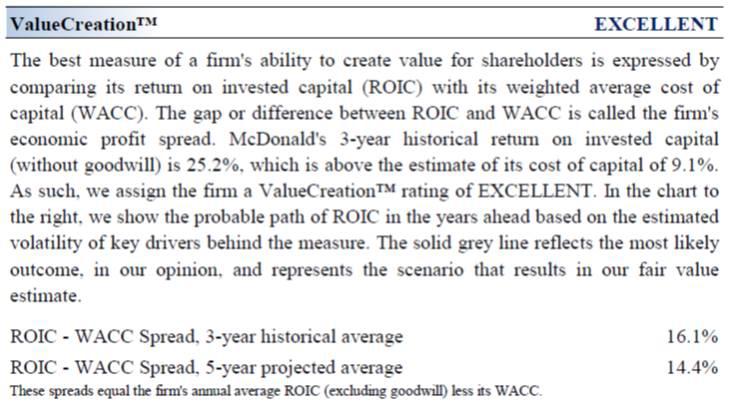
ROIC (Return on Invested Capital) is a key metric for quality.
Formula:
ROIC=Invested CapitalNet Operating Profit After Tax
Comment:
ROIC measures how efficiently a company uses its capital. Consistently high ROIC often indicates a moat and competent management. Terry Smith heavily emphasizes this in his stock selection.
4. Look for High FCF Yields
Free Cash Flow Yield compares FCF to the company’s market value.
Formula:
FCF Yield=Market Value of the CompanyFree Cash FlowCompare to “3% over expected inflation” as a hurdle rate.
Comment:
FCF is harder to manipulate than earnings. A high FCF yield can signal undervaluation, but it must be considered alongside business quality—a declining business may have a high but unsustainable yield.
5. Create a Watchlist
Track companies that are good but not cheap enough.
Use price targets to wait for the right entry point.
Comment:
This encourages patience and preparedness. Many investors miss opportunities because they don’t track companies systematically over time.
6. Exploit Advantages of Being an Individual Investor
Play the long game – no quarterly performance pressure.
Buy unloved stocks or industries – contrarian opportunities.
Invest anti-cyclically – go against market sentiment.
Comment:
This section is crucial. Individual investors can be more flexible and patient than institutions. They can exploit market inefficiencies in neglected areas without size constraints.
Overall Commentary:
Strengths:
The framework is simple, disciplined, and focused on quality and value.
Emphasizes psychological and behavioral edges (patience, contrarianism).
Uses few but powerful metrics (ROIC, FCF yield).
Potential Limitations:
Requires deep business analysis and patience—not suitable for short-term traders.
“Don’t overpay” is subjective; determining intrinsic value is challenging.
Anti-cyclical investing demands strong conviction and can involve long periods of underperformance.
Verdict:
This is a solid, time-tested value investing checklist suitable for long-term investors seeking to build wealth steadily while avoiding big mistakes. It aligns closely with the philosophies of Buffett, Munger, and other quality-focused investors. The emphasis on eliminating bad ideas and waiting for the right pitch is especially valuable in today’s noisy markets.